Physical Address
Islamabad, Pakistan
Physical Address
Islamabad, Pakistan

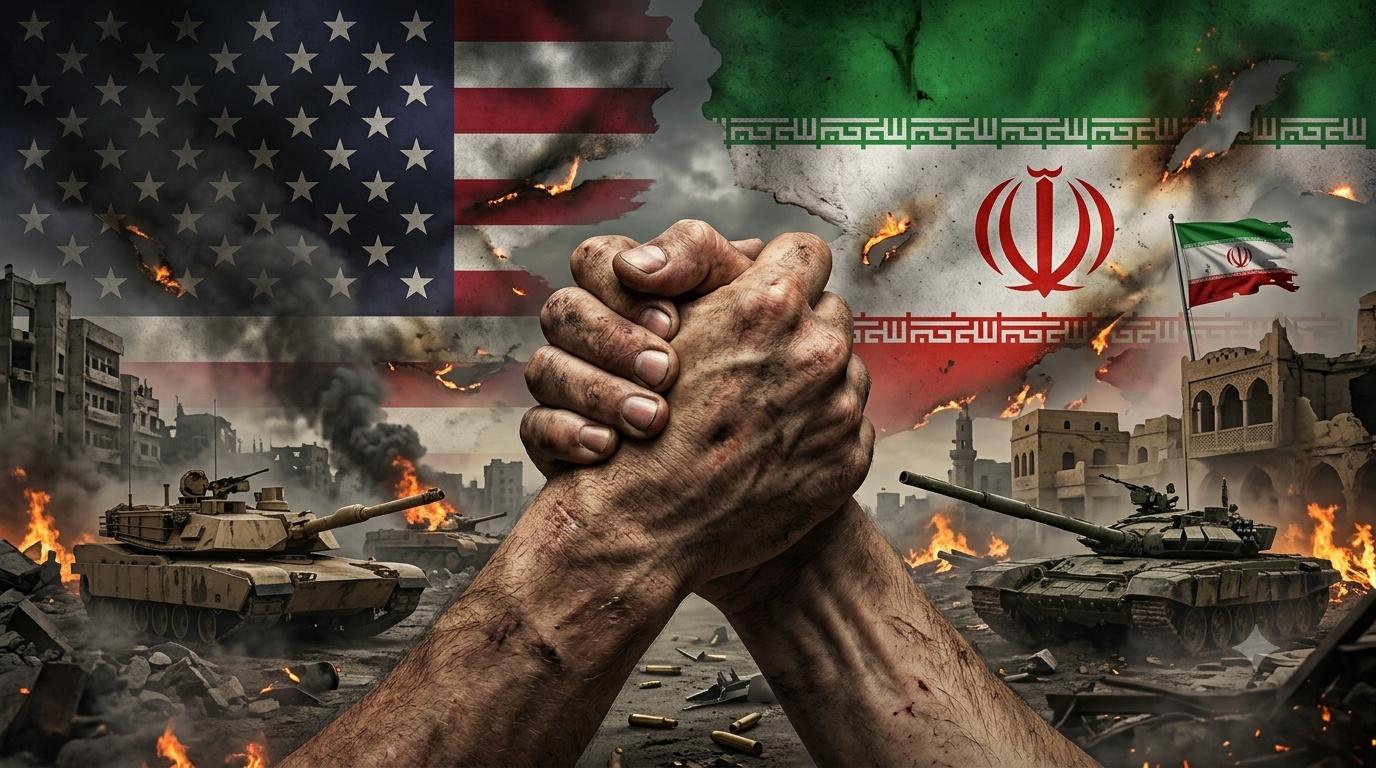
The relationship between the United States and Iran has long been one of the most closely watched geopolitical issues in the world. In recent months, tensions have intensified, with military actions, disputes over shipping in the Strait of Hormuz, and conflicting statements about possible negotiations. These developments have affected not only the Middle East but also global energy markets, trade, and international diplomacy.
This article explains the latest situation, why it matters, and what could happen next.
Relations between the United States and Iran have been strained for decades. Disagreements over Iran’s nuclear program, economic sanctions, regional security, and military influence have repeatedly led to diplomatic crises.
During 2026, the situation became more serious as military operations and countermeasures increased tensions. Although there have also been attempts at negotiations, progress has been uncertain.
Recent reports indicate that the United States and Iran remain in a tense standoff. President Donald Trump has said negotiations could still take place, while Iranian officials have publicly denied that direct talks with Washington are underway, saying discussions have instead focused on maritime issues through intermediaries such as Oman.
At the same time, both countries continue to exchange strong public statements, creating uncertainty about whether diplomacy or further confrontation will shape the next phase of the crisis.
Why the Strait of Hormuz Is So Important
One of the biggest concerns is the Strait of Hormuz, a narrow waterway connecting the Persian Gulf to the Gulf of Oman.
A significant share of the world’s oil exports passes through this route every day. Any disruption can have worldwide consequences.
If shipping is interrupted:
Recent reports describe reduced commercial shipping activity and renewed uncertainty after an incident involving a cargo vessel near the Strait of Hormuz.
The Iran–U.S. situation is affecting economies far beyond the Middle East.
Whenever conflict threatens energy supplies, oil prices often rise because traders fear future shortages.
Several airlines have adjusted or suspended routes through parts of the Middle East due to security concerns.
Shipping companies may reroute vessels or face higher insurance costs, increasing the price of transporting goods worldwide.
Despite military tensions, many countries continue to encourage diplomacy.
Regional governments and international mediators have urged both sides to avoid further escalation. Reports indicate that Oman and other intermediaries remain involved in efforts to reduce tensions, even as public statements from Washington and Tehran differ about the status of negotiations.
Diplomacy remains important because it offers the possibility of reducing conflict without additional military action.
Every conflict affects ordinary people the most.
Communities in the region face uncertainty over security, employment, trade, and access to essential goods. Businesses are also impacted by supply chain disruptions and fluctuating energy prices.
International humanitarian organizations continue to stress the importance of protecting civilians and maintaining access to essential services.
Several outcomes remain possible:
Because the situation is evolving quickly, analysts caution against drawing firm conclusions until more official information becomes available.
Even for people living far from the Middle East, developments between Iran and the United States can have real-world effects.
Possible impacts include:
These ripple effects show how regional events can influence economies around the world.
The current Iran–U.S. situation remains fluid. Military tensions, uncertainty over negotiations, and concerns about the Strait of Hormuz continue to shape international headlines. While both sides have sent mixed signals regarding diplomacy, many governments are encouraging dialogue to prevent further escalation.