Physical Address
Islamabad, Pakistan
Physical Address
Islamabad, Pakistan

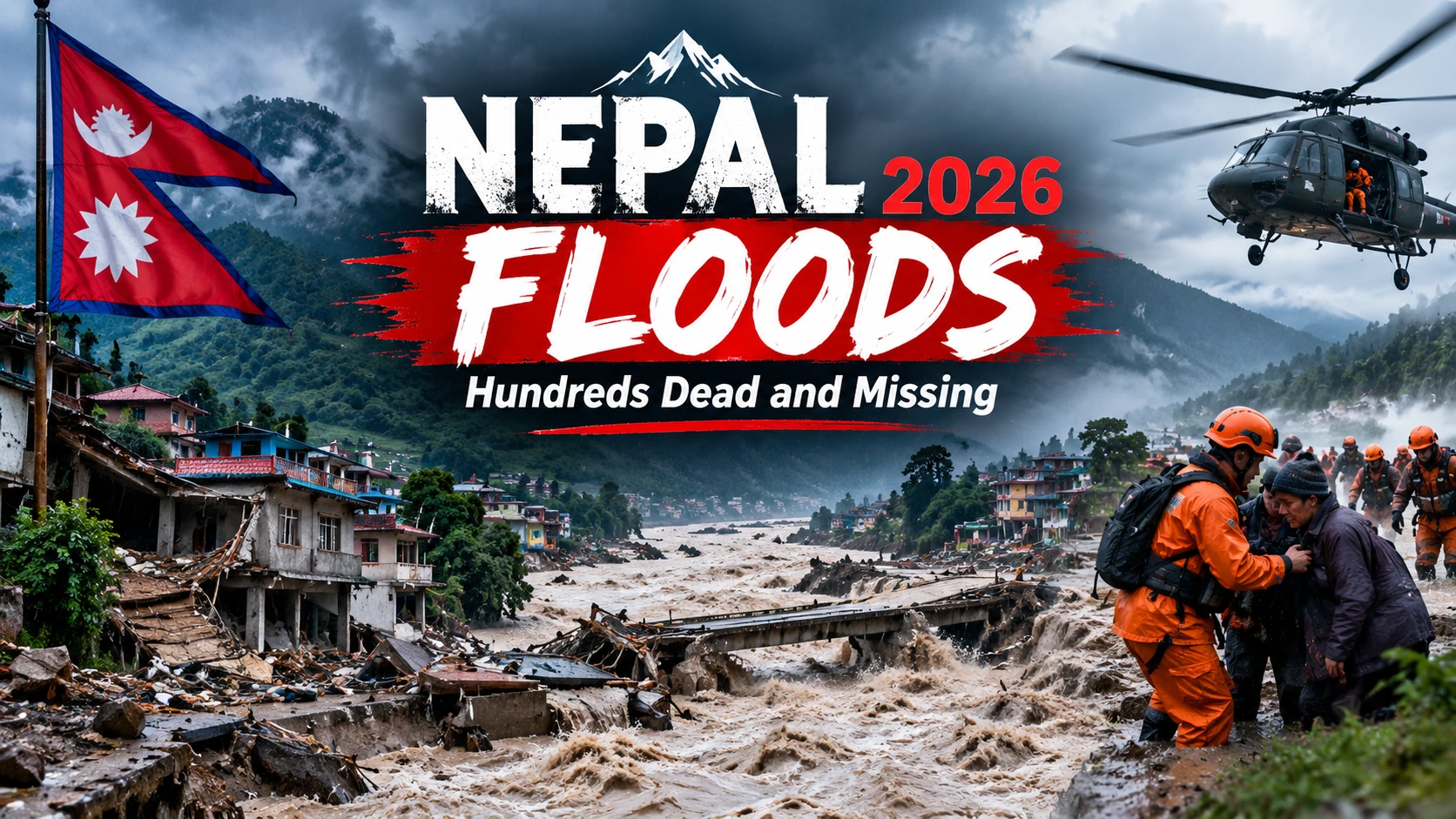
Nepal is facing a devastating natural disaster after powerful flash floods swept through Himalayan border areas on August 26, 2026. The disaster struck communities near the Nepal–Tibet border, sending huge volumes of water, mud, rocks and debris through river valleys and destroying homes, roads, bridges and other critical infrastructure.
The flash floods were particularly severe around the Lhende Khola river and areas connected to the Trishuli River system. A massive collapse of ice, rock and debris high in the Himalayas appears to have sent a sudden surge of water downstream.
Initial reports suggested that an earthquake may have triggered the disaster. However, further analysis by the U.S. Geological Survey indicated that the seismic signal was generated by the landslide itself rather than by a preceding earthquake.
The human toll has continued to rise as rescue teams reach previously inaccessible areas. Nepal’s disaster authorities reported at least 165 deaths and 826 people missing in the latest updates on August 27. Other reports later placed the broader regional death toll even higher as information from Nepal and Tibet continued to develop.
Among those missing are local residents as well as foreign tourists and pilgrims. People from several countries were believed to be traveling through the region when the floods struck, making the disaster an international humanitarian emergency.
The speed and force of the flood caused widespread destruction. Homes were buried or swept away, while roads and bridges were damaged across affected districts. Reports indicate that at least 19 bridges and around 40 kilometres of roads were washed away in some of the worst-hit areas. Electricity and communication networks were also disrupted.
The damage has made rescue operations extremely difficult. In several locations, helicopters have struggled to land because of high water levels, debris and damaged infrastructure. Rescue teams have therefore had to work under extremely dangerous conditions.
Nepalese security forces, police and emergency teams have been deployed to search for survivors and missing people. Helicopters, drones and search teams are being used in the affected areas.
Authorities have also moved residents from vulnerable low-lying areas to safer locations and warned communities near major rivers to remain alert. Nepal’s Department of Hydrology and Meteorology continues to monitor river levels and issue flood-related warnings.
The disaster has also renewed concerns about the increasing risks faced by communities living in the Himalayas. Scientists have warned that rising temperatures are contributing to glacier loss and increasing instability in high-altitude environments.
Nepal has experienced significant glacier loss over recent decades, while melting ice, unstable slopes and changing weather patterns can increase the risk of sudden floods and landslides. Experts say stronger early-warning systems, better monitoring of glaciers and improved disaster preparedness are becoming increasingly important.
The Nepal floods have created a difficult humanitarian situation, with rescue workers racing against time to locate missing people while communities begin dealing with enormous damage to homes and infrastructure.
As search and rescue operations continue, authorities are expected to focus on reaching isolated communities, restoring roads and communications, providing emergency shelter and supporting families who have lost loved ones.
The disaster is a stark reminder of the dangers faced by communities in the Himalayan region and the urgent need for stronger disaster preparedness and climate-resilience measures.
Note: Casualty and missing-person figures are changing rapidly as rescue teams continue their searches, so numbers may be updated as authorities verify information.