Physical Address
Islamabad, Pakistan
Physical Address
Islamabad, Pakistan

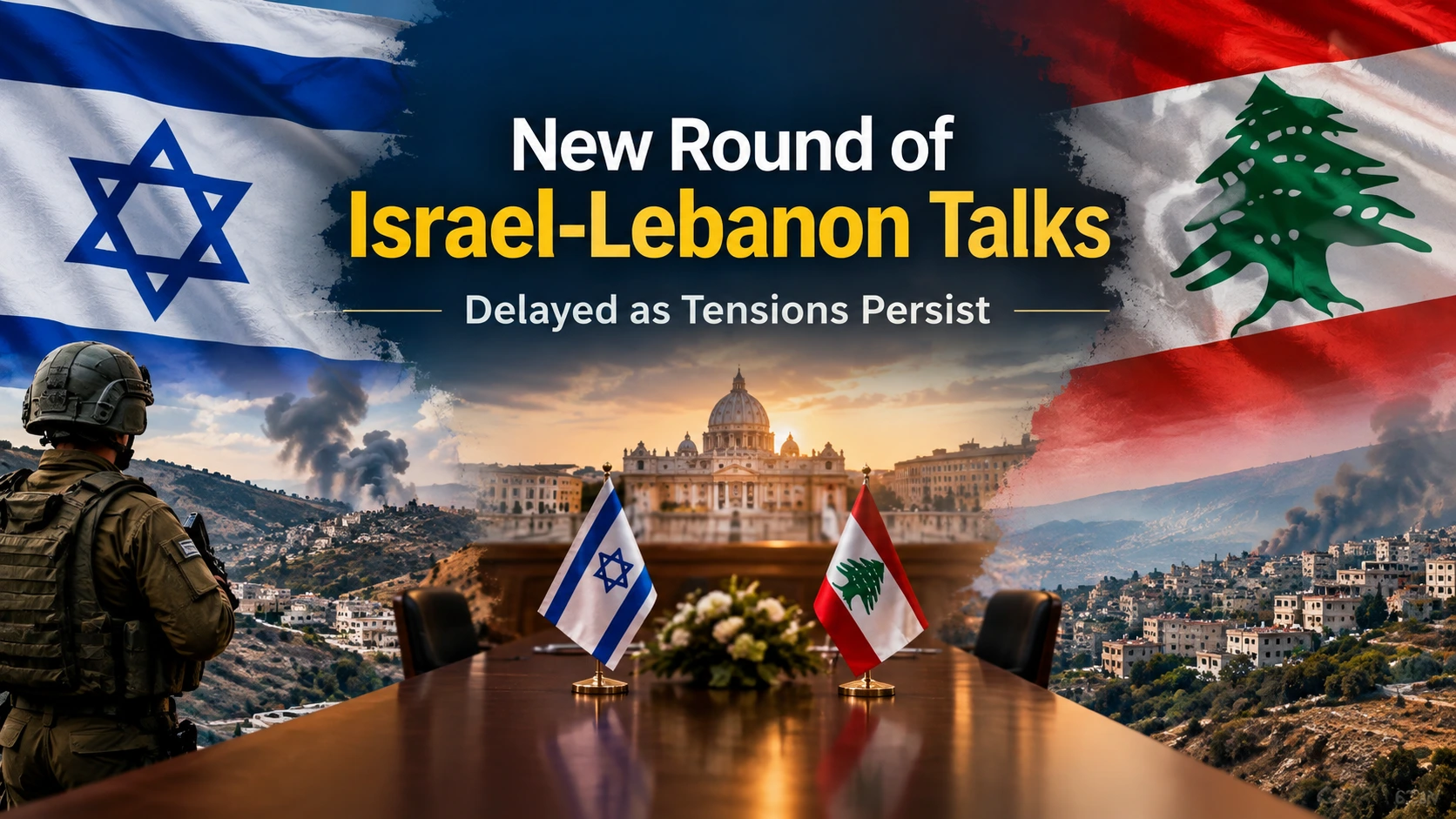
Efforts to ease tensions between Israel and Lebanon are facing another setback after the next round of U.S.-mediated negotiations, originally planned for September in Rome, was postponed until October. The delay comes as tensions remain high along the Israel-Lebanon border.
The talks are part of a broader framework agreed in June with U.S. mediation. The proposed arrangement focuses on several key issues, including the gradual withdrawal of Israeli forces from southern Lebanon, the deployment of the Lebanese army and the disarmament of Hezbollah in designated “pilot zones.”
The negotiations are viewed as an important diplomatic channel for preventing another major escalation between Israel and Hezbollah. Lebanon has been pushing for an Israeli withdrawal and an end to military operations in the south, while Israel has insisted that Hezbollah’s military infrastructure and weapons must be addressed before a full withdrawal.
Lebanese Foreign Minister Youssef Rajji recently described negotiations as the most effective way to stop Israeli attacks and achieve an Israeli withdrawal behind internationally recognized borders.
The postponement comes amid renewed military activity in southern Lebanon. Israel recently said it destroyed a major Hezbollah underground complex at the Ali al-Taher ridge, while Israeli strikes have continued in several parts of southern Lebanon.
Lebanese President Joseph Aoun has also warned of the difficult situation facing the country. On September 12, he said there were currently no new negotiations with Israel, highlighting the gap between the diplomatic framework and developments on the ground.
Although the Rome meeting has been pushed to October, diplomacy has not completely stopped. Israeli and Lebanese ambassadors are expected to meet at the U.S. State Department in Washington to discuss developments and implementation of the June framework.
The upcoming diplomatic contacts could help preserve the negotiation process while the two sides work through their major differences.
The October talks will likely focus on the same difficult questions: Israeli military withdrawal, Hezbollah’s weapons and presence in southern Lebanon, the role of the Lebanese army and mechanisms for monitoring any agreement.
For now, the postponement underlines how fragile the diplomatic process remains. Whether the next round can produce concrete progress will depend heavily on reducing violence on the ground and finding compromises acceptable to both Israel and Lebanon.
The coming weeks could therefore be crucial for determining whether the U.S.-backed framework develops into a lasting security arrangement or faces further delays.